© Bernie Joyce 2026
Is Muidne na Mná
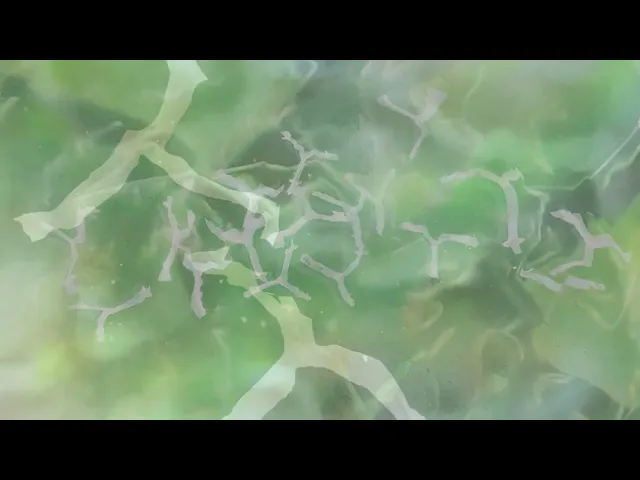
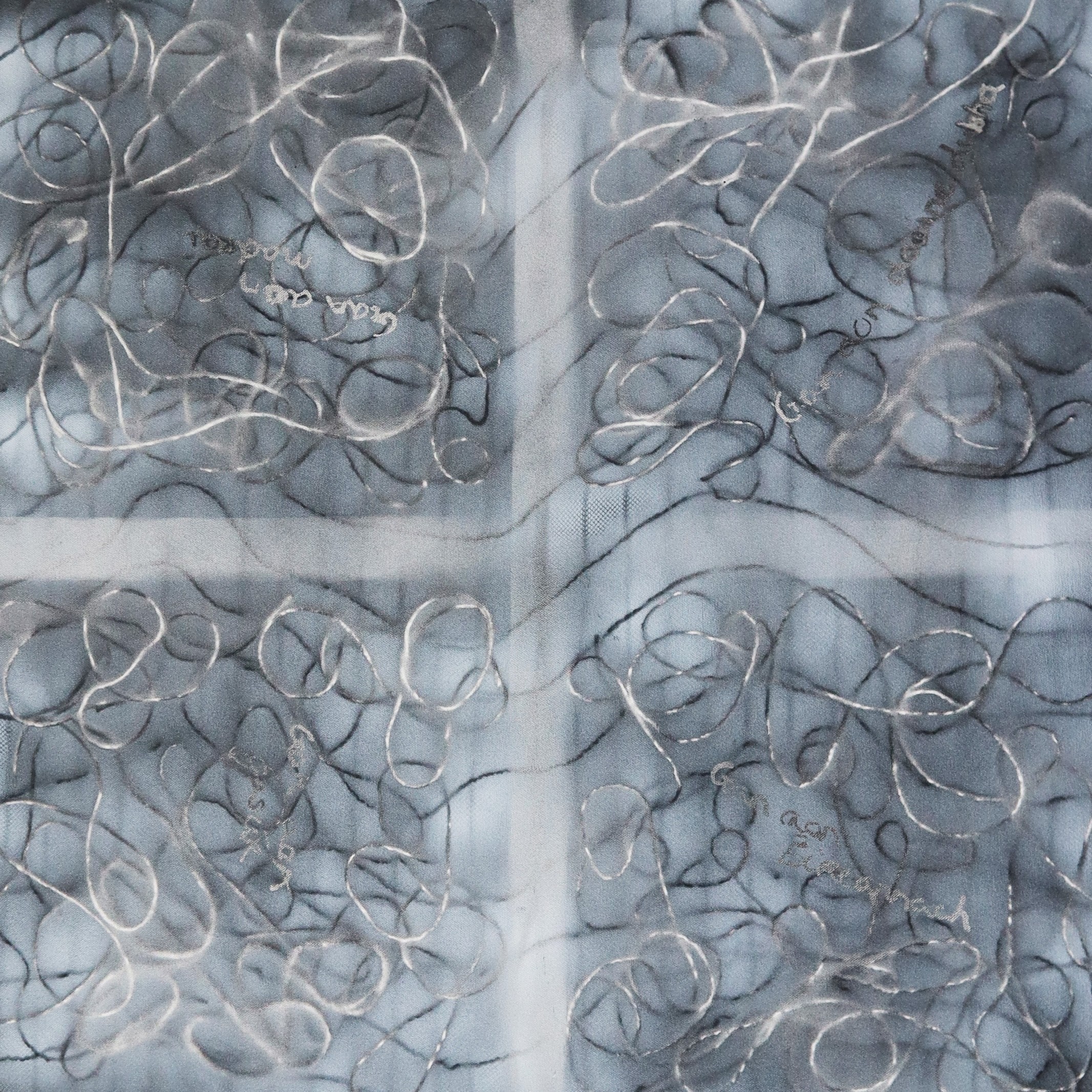
Is Muidne na Mná investigates the lived experiences of Irish female emigrants whose stories have largely remained anonymous and overlooked within historical narratives. While male migration has been more readily documented, women’s contributions, resilience, and sacrifices were frequently rendered invisible. Through this body of work, I examine the social, economic, religious, and political forces that compelled Irish women to leave their homeland, alongside the realities of life in their adoptive countries.
Historically, Irish women were often reduced to derogatory stereotypes, with “Bridget” or “Biddy” used as a dismissive label in much the same way “Paddy” was applied to Irish men. My work reclaims and reframes these women, paying homage to the countless undocumented “Bridgets” through a multidisciplinary practice that merges film, painting, and textile printmaking. Rather than overt narrative, the works operate in an understated and inconspicuous manner, encouraging emotional engagement and quiet reflection.
Themes of racism, displacement, labour, faith, independence, and secrecy recur throughout the series. From hostile signage such as “No Blacks, No Irish, No Dogs,” to the dance halls that offered freedom and social connection, the imagery reflects both hardship and resilience. Nursing, domestic service, transatlantic travel, and long-distance correspondence reveal how women sustained families, economies, and communities across borders. Other works confront the trauma of enforced silence surrounding unmarried mothers, adoption, and reproductive autonomy, highlighting the long-lasting emotional consequences of secrecy and shame.
Material choices, symbols, and muted or vibrant palettes are used deliberately to evoke atmosphere—whether sterile, joyful, claustrophobic, or anxious—mirroring the conditions these women endured. Collectively, this body of work seeks to restore visibility to Irish female emigrants, honouring their courage while acknowledging the complex legacies of migration that continue to resonate today.
Is Muidne na Mná
Is muidne na mná a d’fhága
Ag taisteal thar muir'gus thar thír
Ag obair gach lá mar sclábhaí
Ina chónaí i dteach gan am saor
Is muidne na mná a chabhraigh,
Le dollars abhaile, go rialta
Chuir beatha ar boird den teaghlaigh
A thug dóchas ina gcuid saolta
Is muidne na mná i ndearmad
Nach luaitear i gcáipéis nó dán
Aitheantear na fir lena sluasaid
A thug turas, ar an mbád bán
Is muidne na mná ata imithe
Nár tháinig, abhaile go deo
Na mílte as láthair uaidh baile
Mná Éireannach chomh fada’s atá muid beo
Is Muidne na Mná
Is muidne na mná a d’fhága
Ag taisteal thar muir'gus thar thír
Ag obair gach lá mar sclábhaí
Ina chónaí i dteach gan am saor
Is muidne na mná a chabhraigh,
Le dollars abhaile, go rialta
Chuir beatha ar boird den teaghlaigh
A thug dóchas ina gcuid saolta
Is muidne na mná i ndearmad
Nach luaitear i gcáipéis nó dán
Aitheantear na fir lena sluasaid
A thug turas, ar an mbád bán
Is muidne na mná ata imithe
Nár tháinig, abhaile go deo
Na mílte as láthair uaidh baile
Mná Éireannach chomh fada’s atá muid beo
Is Muidne na Mná
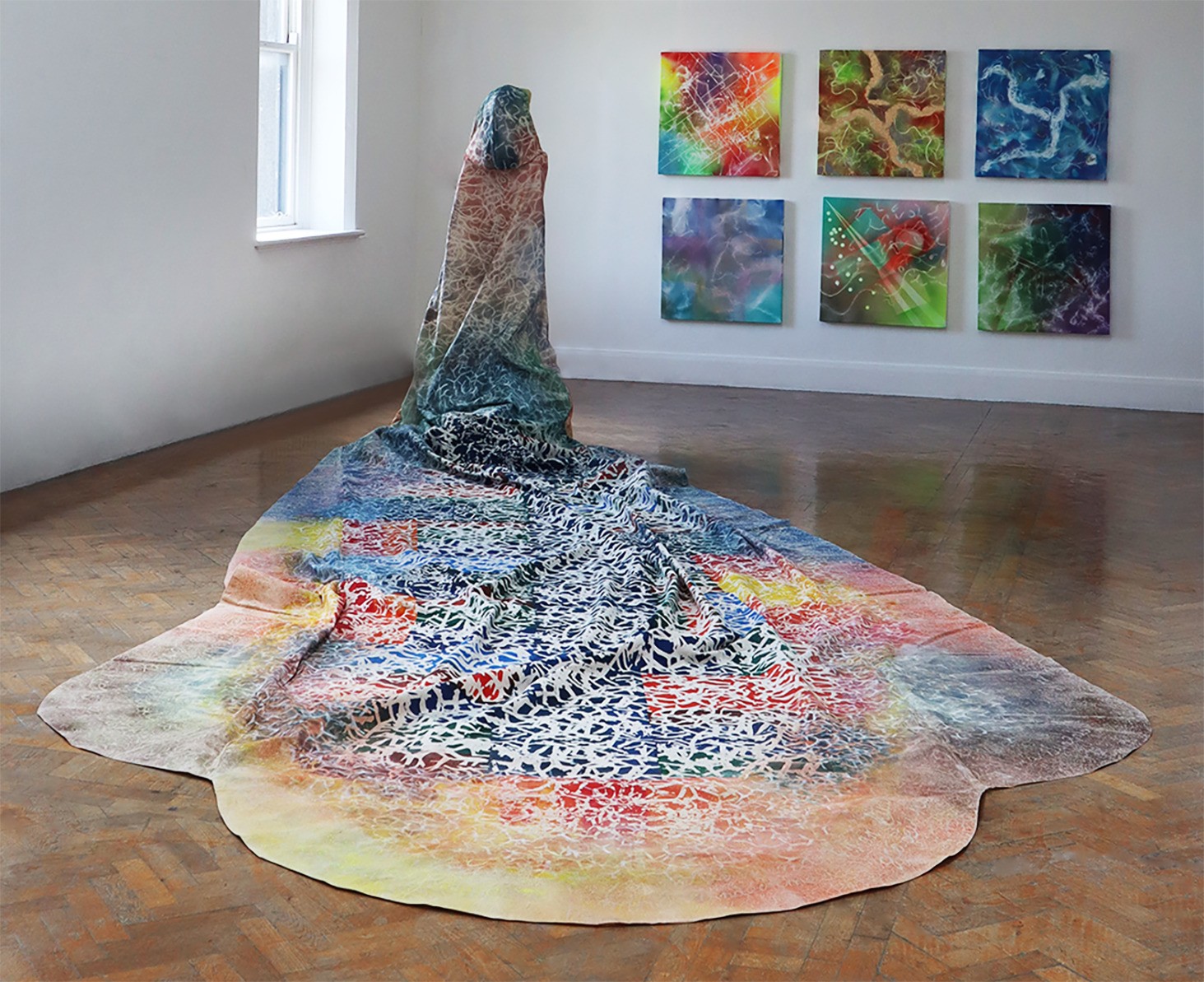
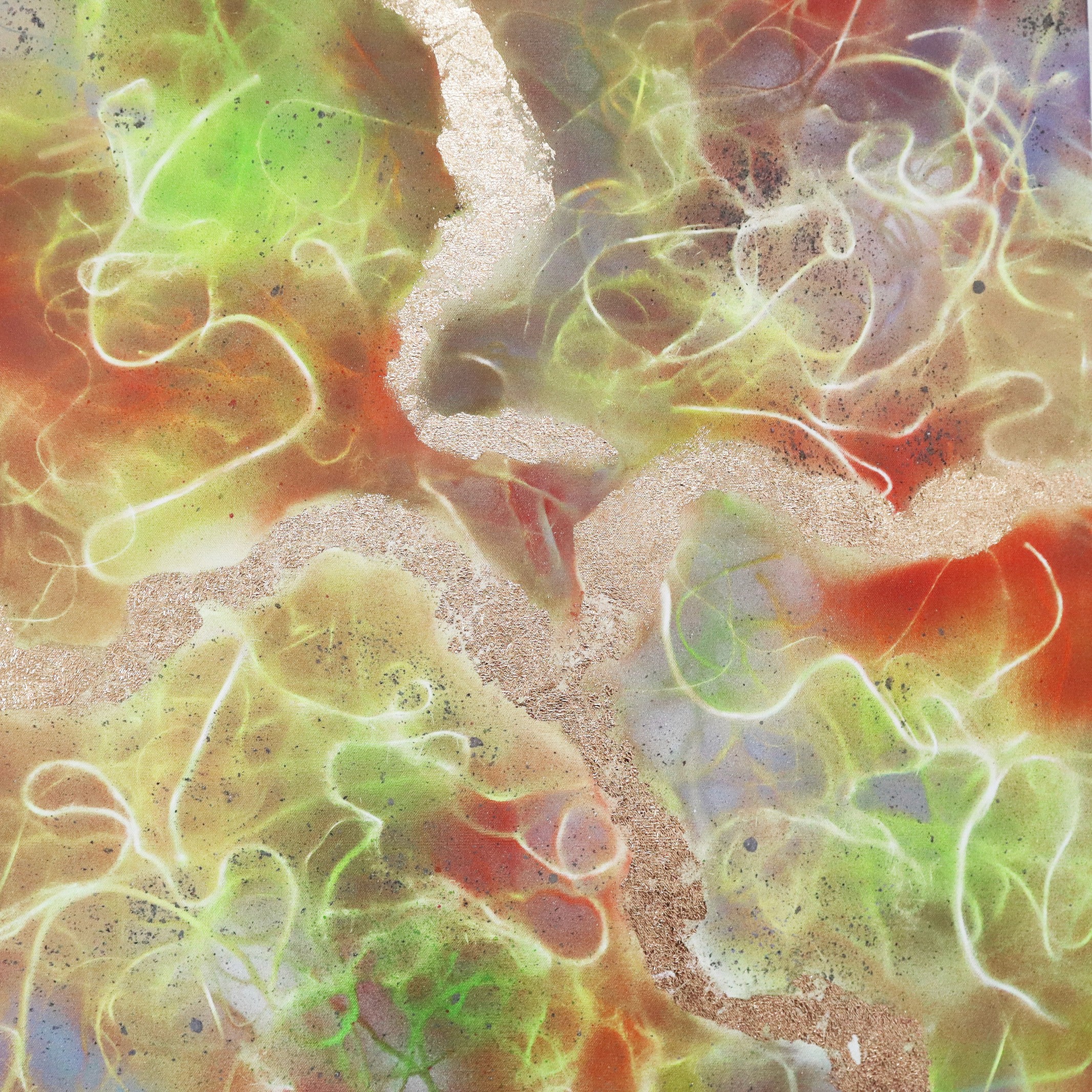
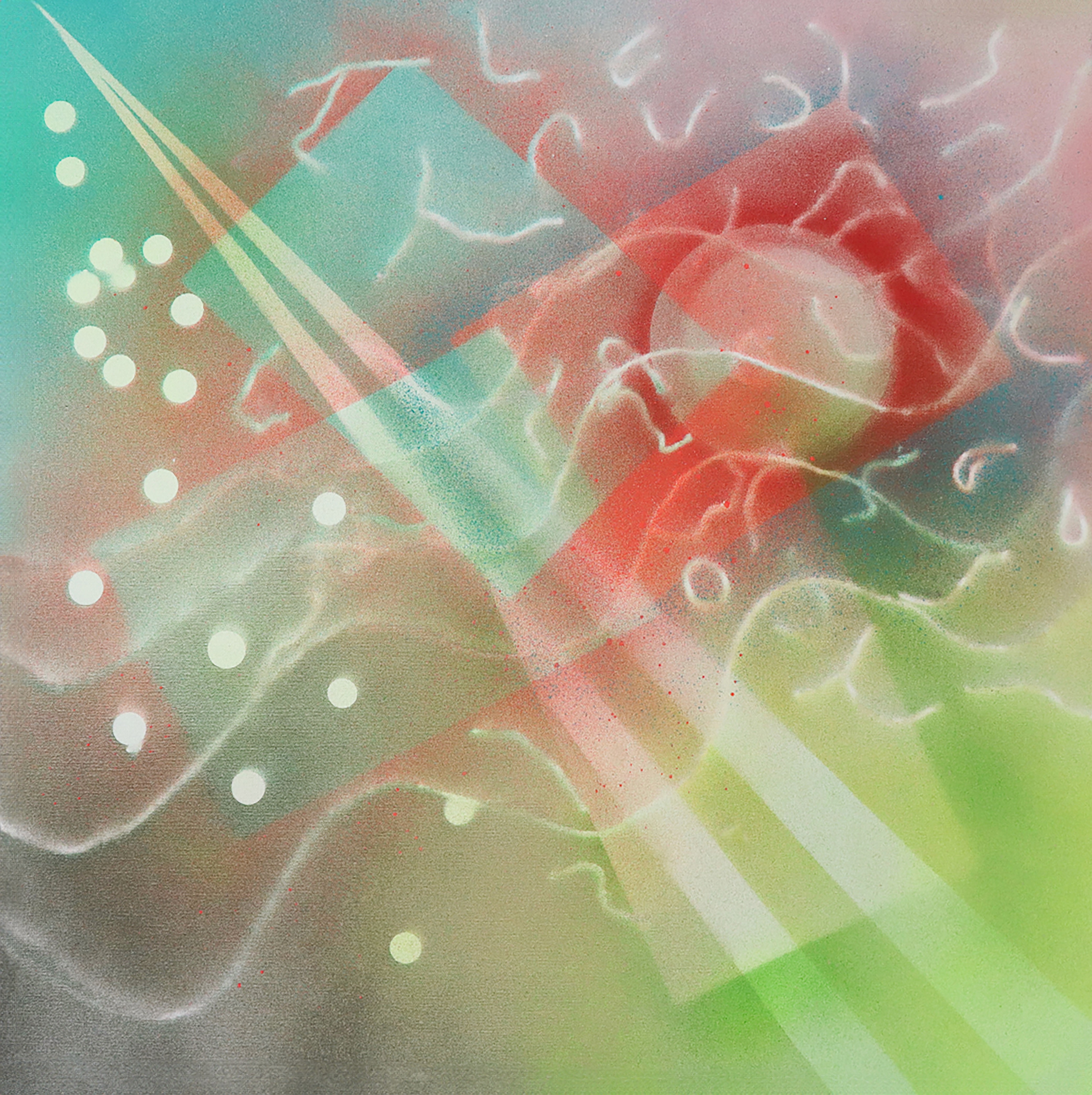
Is Muidne na Mná investigates the lived experiences of Irish female emigrants whose stories have largely remained anonymous and overlooked within historical narratives. While male migration has been more readily documented, women’s contributions, resilience, and sacrifices were frequently rendered invisible. Through this body of work, I examine the social, economic, religious, and political forces that compelled Irish women to leave their homeland, alongside the realities of life in their adoptive countries.
Historically, Irish women were often reduced to derogatory stereotypes, with “Bridget” or “Biddy” used as a dismissive label in much the same way “Paddy” was applied to Irish men. My work reclaims and reframes these women, paying homage to the countless undocumented “Bridgets” through a multidisciplinary practice that merges film, painting, and textile printmaking. Rather than overt narrative, the works operate in an understated and inconspicuous manner, encouraging emotional engagement and quiet reflection.
Themes of racism, displacement, labour, faith, independence, and secrecy recur throughout the series. From hostile signage such as “No Blacks, No Irish, No Dogs,” to the dance halls that offered freedom and social connection, the imagery reflects both hardship and resilience. Nursing, domestic service, transatlantic travel, and long-distance correspondence reveal how women sustained families, economies, and communities across borders. Other works confront the trauma of enforced silence surrounding unmarried mothers, adoption, and reproductive autonomy, highlighting the long-lasting emotional consequences of secrecy and shame.
Material choices, symbols, and muted or vibrant palettes are used deliberately to evoke atmosphere—whether sterile, joyful, claustrophobic, or anxious—mirroring the conditions these women endured. Collectively, this body of work seeks to restore visibility to Irish female emigrants, honouring their courage while acknowledging the complex legacies of migration that continue to resonate today.